Asparagus-Lemon Risotto
Method
Tap step to focusBring approximately 2.5 liters of water to a boil in a large pot. Trim the woody white bottoms of the green asparagus and discard them. Cut off the asparagus tips and set them aside.
Once the water is boiling, add a pinch of salt and blanch the asparagus stalks until tender-crisp. Transfer the cooked stalks to a blender or food processor, adding a very small splash of the cooking water—just enough to help it blend into a smooth puree. Season with pepper and a tiny pinch of salt, then set the puree aside.
In the same boiling water, blanch the asparagus tips until tender-crisp. Immediately plunge them into an ice bath to stop the cooking process, then drain and set aside for later.
Dissolve the bouillon cubes into the remaining asparagus cooking water. Keep this broth warm over low heat, ensuring it does not boil.
Place a large skillet over medium-low heat and add a splash of olive oil. Sauté the chopped onions until soft and translucent. Add the garlic and sauté for another 2 to 4 minutes until softened, keeping the heat low enough to prevent any burning.
Increase the heat to medium-high, add the risotto rice to the skillet, and toast it while stirring for 1 to 2 minutes.
Deglaze the pan with the white wine. Allow the wine to reduce down to about 25% of its original volume to evaporate the alcohol and concentrate the flavors.
Lower the heat back to medium-low. Slowly add the warm bouillon broth, 1 to 2 ladles at a time. Stir frequently and allow the rice to absorb most of the liquid before adding the next ladles.
Repeat this process until the risotto rice is nearly al dente. Gently stir in the asparagus puree, lemon juice, and drained ricotta until well combined.
Continue to cook gently until the remaining moisture is absorbed and the risotto rice reaches a perfect al dente texture.
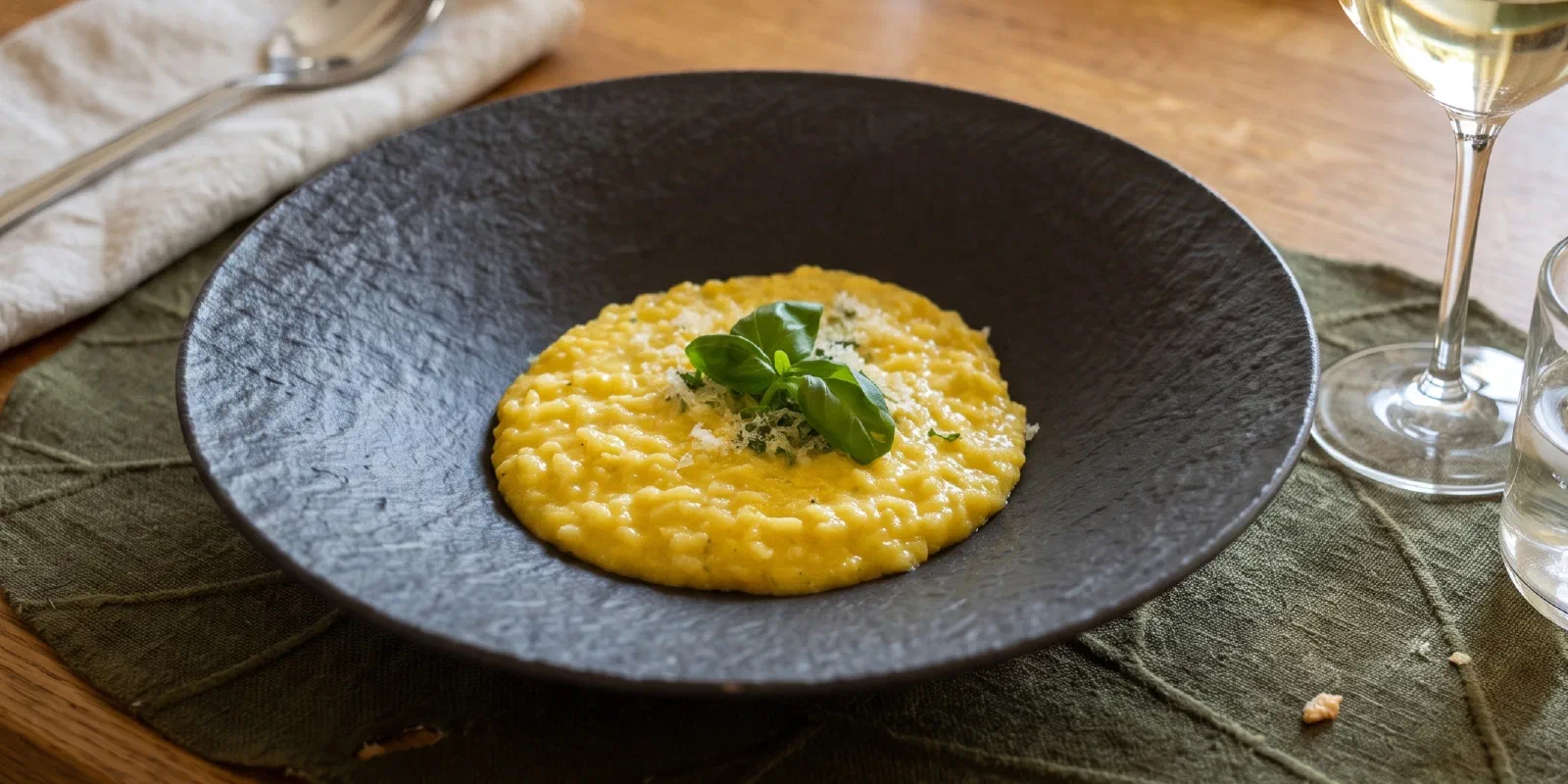
Serve warm, garnished with parmesan cheese and fresh basil leaves.
Notes
- • Avoid using highly acidic wines; a Von Der Mark Alte Reben Riesling works wonderfully.
- • Be careful with adding extra salt early on, as the boiling water and bouillon are already quite salty.
Credits
This recipe was cooked up and contributed by Rune.